
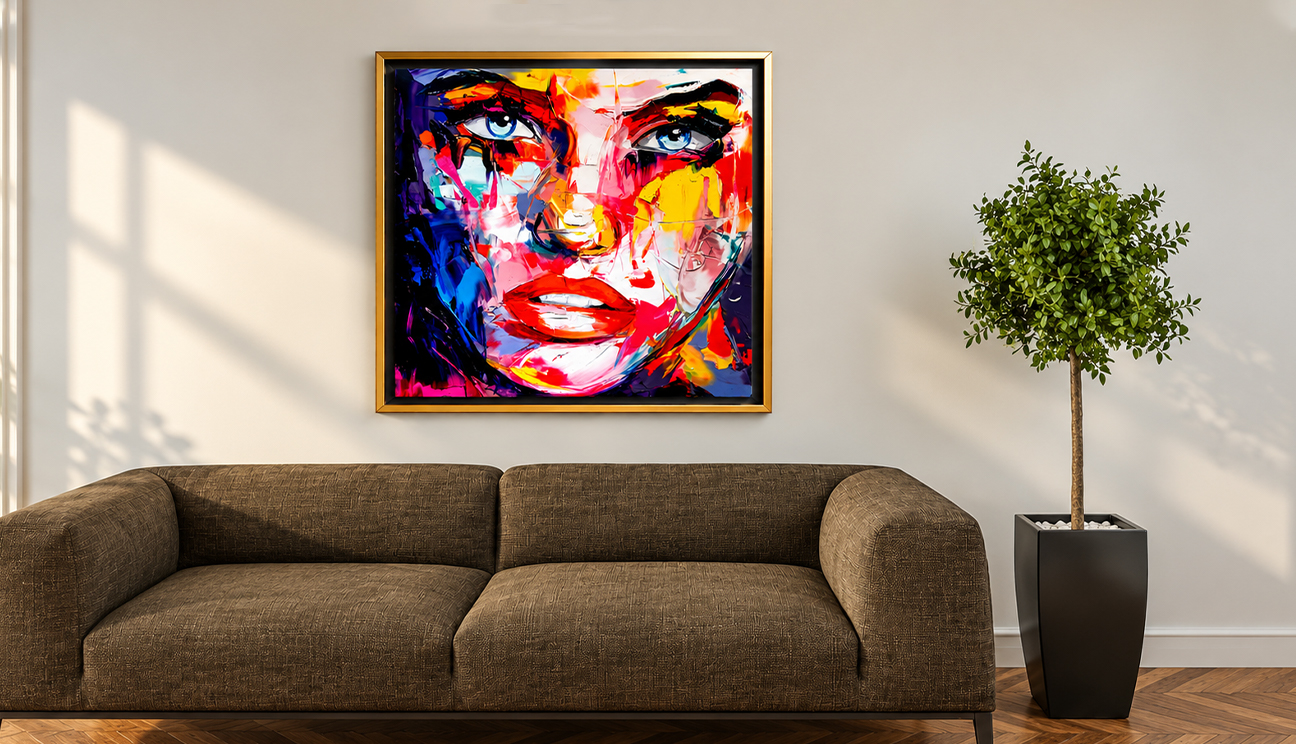
Why Weird Decorative Artwork Is the Secret to a Soulful Living Room
A living room can contain a stylish sofa, coordinated cushions, polished tables, and tasteful lighting, yet it can feel strangely empty. The missing ingredient is often not another practical object. It is personality. Weird decorative artwork brings that personality into view through unexpected shapes, curious colors, and pieces that make visitors pause. It turns a tidy arrangement into a room filled with stories, humor, tension, and character. Instead of copying a showroom, you tend to create a space that feels unmistakably yours. If your living room looks pleasant but says very little, one wonderfully add artwork could change the entire conversation today.
Soul Comes From Specific Choices
A soulful living room does not emerge from following every design rule. It develops when the room reveals something about the person who uses it. Conventional artwork can certainly add color, but predictable selections often fade into the background. A strange painting, offbeat sculpture, surreal print, or oddly shaped wall piece behaves differently. It asks to be noticed.
That visibility gives the room an emotional center. Perhaps the artwork reminds you of an unusual trip, reflects your sense of humor, or simply captures a color combination you cannot stop thinking about. Its value comes from the reaction it creates, not from how neatly it fits a familiar decorating formula.
People tend to connect with spaces that feel personal. When an object appears chosen from curiosity rather than obligation, the entire setting becomes warmer and more memorable. Your living room stops resembling a catalogue arrangement and starts expressing an individual point of view.
Weird Does Not Mean Random
The word “weird” can suggest shoes, but unusual artwork doesn’t need to look confusing or misplaced. In decorating, weird can mean unexpected, witty, exaggerated, surreal, flawed, or delightfully difficult to describe. It might be a ceramic face with uneven features, an abstract figure in clashing colors, or a framed illustration of an impossible scene.
The difference between interesting and disorderly lies in intention. An unusual piece needs a visual connection with its surroundings. That connection might come through color, material, scale, mood, or placement as well. A vibrant painting can echo a cushion. A rough sculpture can balance a smooth table. A quirky paint can introduce humor into a serious neutral room.
You don’t need every object to share one style. You only need enough visual conversation between them. When the artwork feels unexpected, yet connected, it brings energy without making the room feel scattered.
It Gives the Eye Somewhere to Go
Rooms often feel flat because everything carries equal visual weight. The sofa, rug, curtains, tables, and accessories may coordinate, but nothing commands attention. Weird decorative artwork solves this by creating a clear focal point.
An oversized portrait with unusual proportions can pull the eye toward an empty wall. A sculptural object placed on a console can interrupt a row of ordinary accessories. Even a tiny peculiar print can become compelling when displayed alone in a generous area of blank space.
This visual interruption gives the room rhythm. The eye lands on the artwork, explores nearby details, and then moves through the rest of the setting. As a result, familiar furniture can suddenly appear more interesting.
Before purchasing another cushion or side table, look at where your gaze naturally settles. If no area holds it, the room may need one distinctive artwork rather than several additional decorations.
Conversation Begins With Curiosity
A predictable picture may earn a polite compliment. An unusual one tends to inspire a question. Where did you find it? What does it mean? Why did you choose it? Those questions turn artwork into a social feature rather than a silent background element.
This matters because living rooms are shared spaces. They tend to host conversations, celebrations, quiet evenings, and casual visits. Objects that encourage interaction can make the room feel more inviting. They offer guests an easy opening while revealing something about your tastes.
The artwork doesn’t need a dramatic history. You may have selected it because the expression made you laugh or because it colors felt wonderfully strange. That honest response is enough. Personal stories don’t become meaningful through grandeur. They become meaningful through connection.
Choose pieces that makes you want to speak. If you enjoy explaining why something caught your attention, it has already earned a place in your home.
Contrast Makes Polished Rooms Feel Human
Highly coordinated rooms sometimes feel distant. Every surface matches, every accessory sits neatly, and every color behaves exactly as expected. The result can look attractive in photograph while feeling slightly restrained in person.
An unconventional artwork disrupts that restraint. Its irregular shape, playful subject, or surprising palette adds a small dose of friction. That friction keeps the design from becoming overly controlled. It suggests that someone actually lives there, makes spontaneous choices, and enjoys objects beyond their decorative function.
Contrast works particularly well in neutral interiors. A strange crimson figure can animate a beige wall. A crooked ceramic form can soften the formality of a symmetrical console. An eccentric monochrome print can sharpen a room filled with gentle fixtures.
The goal is not to create visual noise. It is to introduce one confident exception. Often, the piece that seems least obedient becomes the object that holds everything together.
Flaws Creates Emotional Texture
Mass-produced decor often aims for smoothness, symmetry, and easy coordination. Weird artwork offers another kind of appeal. Visible brush marks, uneven edges, distorted forms, and irregular surfaces can give a room emotional texture.
Defected makes an object feel expressive. It invites closer viewing because the eye cannot understand everything immediately. Small irregularities reveal themselves over time, which allows the artwork to remain engaging long after it enters the room.
This quality can also soften newer interiors. Clean walls and streamlined furniture sometimes need an object with roughness or visual history. A hand-shaped form, weathered frame, or layered composition can keep the space from feeling overly fresh and untouched.
Look for artwork that becomes more interesting as you examine it. An immediate visual punch is useful, but lasting character often lives in the awkward details, subtle marks, and curious decisions that appear gradually.
Scale Can Turn Odd Into Striking
The impact of unconventional art depends heavily on scale. A tiny strange object hidden among many accessories may look accidental. Give it a breathing room, and it becomes intentional. Enlarge the idea, and it can shape the identity of an entire living room.
Oversized artwork works because confidence changes perception. A dramatic abstract canvas above a compact sofa can make the wall feel expansive. A tall sculptural piece in an unused corner can turn a dead space into a destination. Meanwhile, a miniature artwork can feel equally powerful when surrounded by open wall space.
Measure the intended area before buying. Consider the furniture beneath it and view the placement from across the room. Artwork should relate to the surrounding proportions without disappearing or overwhelming every nearby object.
If the piece feels unusual, avoid apologetic placement. Display it with enough space and visibility to show that presence is deliberate.
How to Choose Your Kind of Weird
You don’t need to understand art theory to select an expressive piece. Begin with your natural reactions. Browse slowly and notice what makes you stop, smile, lean closer, or look twice. Attraction can arrive before an explanation.
Then consider how the piece will interact with your room. Use these questions as a practical filter.
Does one color connect with something already present?
- Will the scale suit the wall, shelf, or table?
- Does the piece add humor, drama, softness, or movement?
- Can it stand alone without extra accessories?
- Would you still enjoy seeing it after the initial surprise?
Avoid choosing something unusual simply because it is unusual. Forced eccentricity can feel as impersonal as generic decor. The piece should trigger a response that feels natural to you.
If you remain uncertain, save an image of the artwork and view it beside a photograph of your room. This simple comparison can reveal whether the relationship feels exciting or merely awkward.
One Unusual Piece Can Change the Room
Refreshing a living room doesn’t always require replacing furniture or rebuilding the entire color scheme. Sometimes the room already has everything it needs except a distinct voice. Weird decorative artwork can provide that voice with far less disruption.
Begin with one piece that creates a real reaction. Place it where it can breathe, connect it loosely to the existing palette, and allow the surrounding room to become quieter. You may discover that furniture you once found dull now acts as a useful backdrop.
The reality of the situation is: the right artwork does more than fill a wall of occupy a shelf. It gives the space a point of view. It tells visitors that your home was shaped by curiosity, not by a checklist.
So, choose the painting that feels a little strange. Display the sculpture that makes you grin. A soulful living room is not built through flawless coordination. It grows from objects that make you feel something.
